

Designing trust in a system that cannot move fast
Realize was a consumer platform for investing in tokenized real-world assets, starting with U.S. T-Bills. It looked like DeFi but ran like a regulated fund: compliance checks, manual approvals, off-chain settlement. Money took days or weeks to move.
My job was to make that slowness feel trustworthy instead of broken.
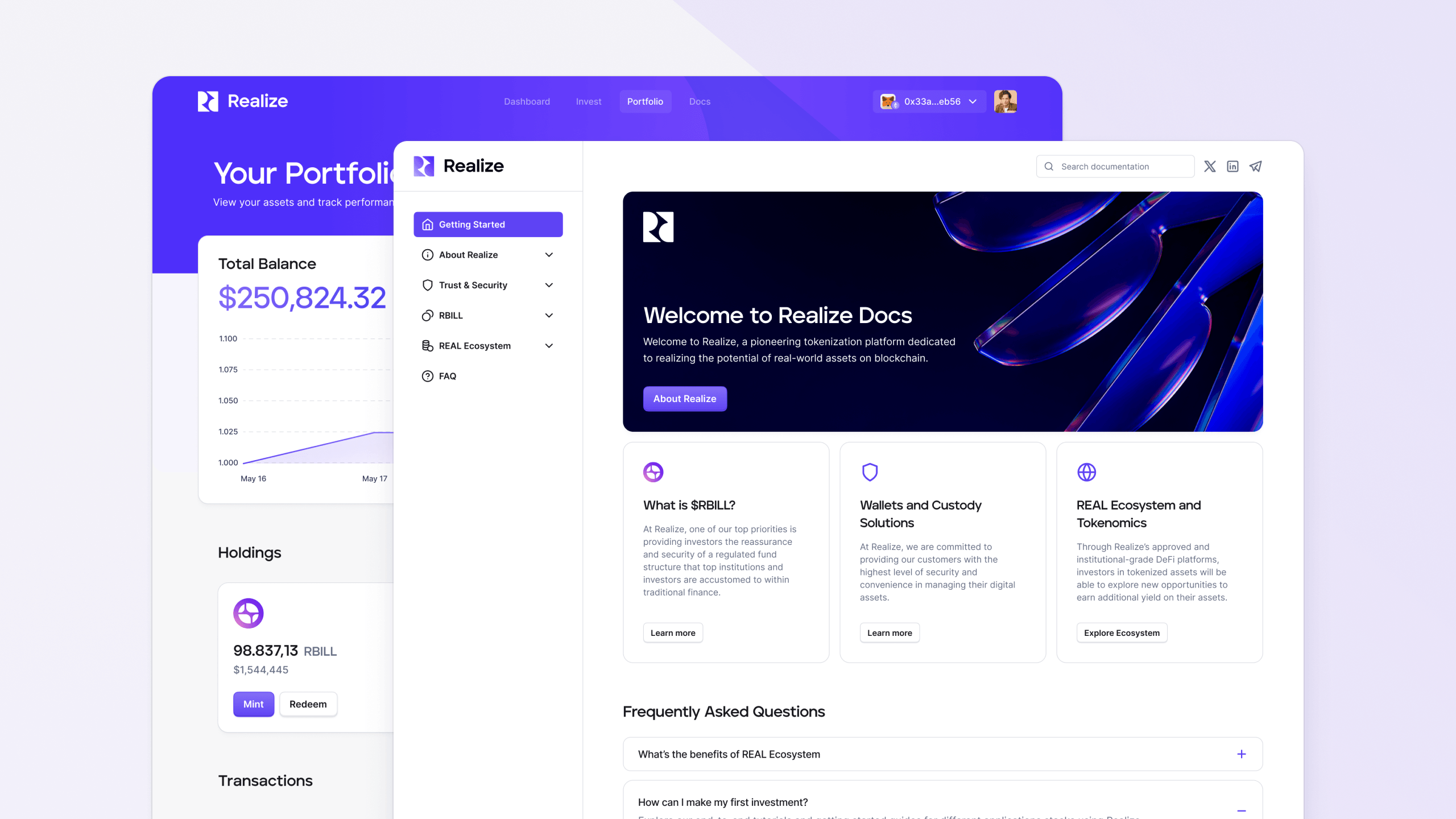
My role: I led the product experience end to end and worked directly with engineering, legal, and fund management. On a tight timeline we brought in Wegrow for brand and the first UI foundation, and I managed senior freelance designer Batuhan Karasakal. Together we aligned flows, refined interactions, and kept the system coherent across dozens of states. The work came down to translating a legally complex fund structure into something people could use without reading a rulebook.
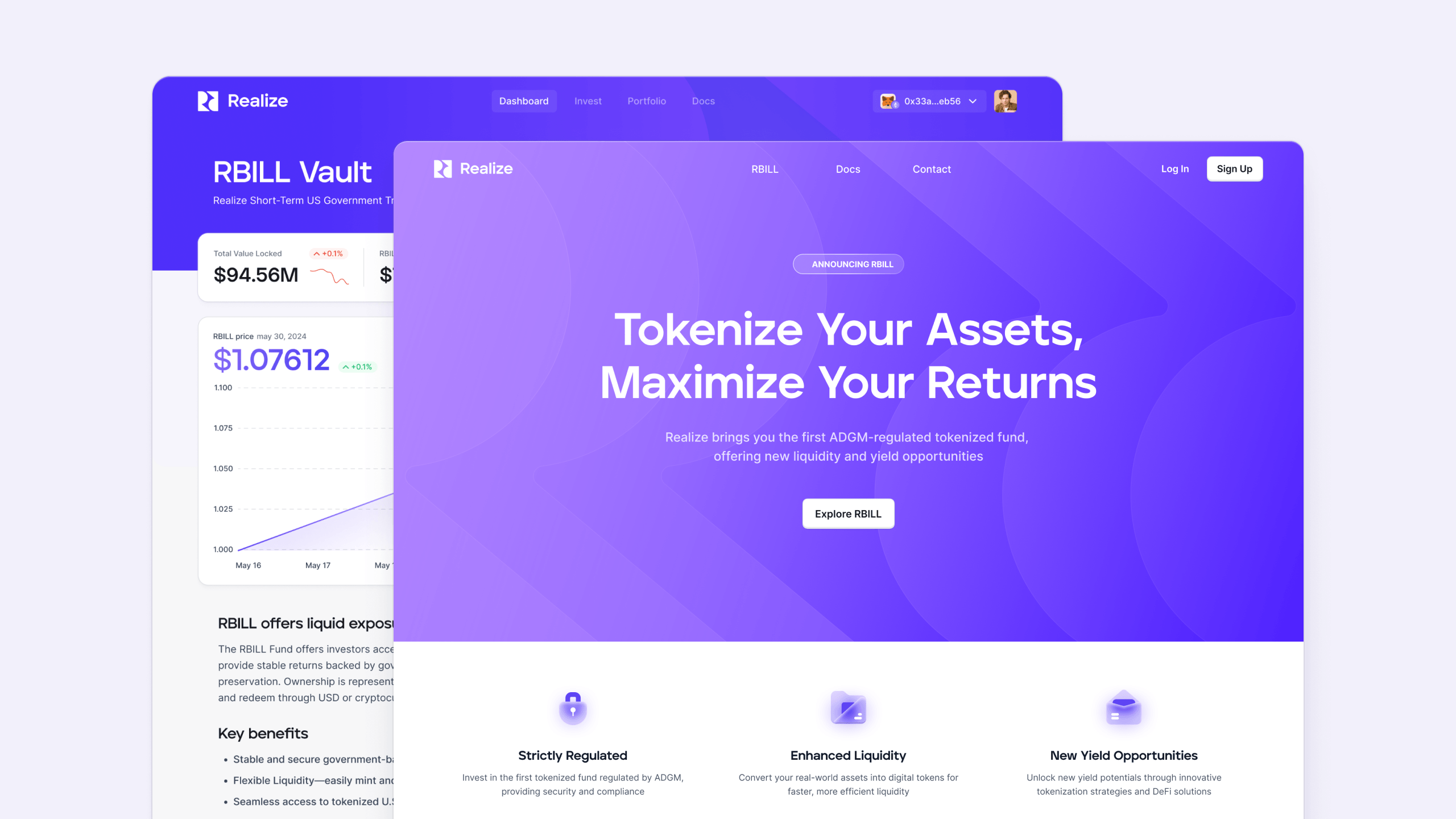
When DeFi expectations meet regulated finance
Crypto users expect instant feedback and full control. A regulated fund builds trust through verification, process, and time. Realize had to serve the first group inside the rules of the second: we couldn't fake speed, skip approvals, or change how funds legally operate.
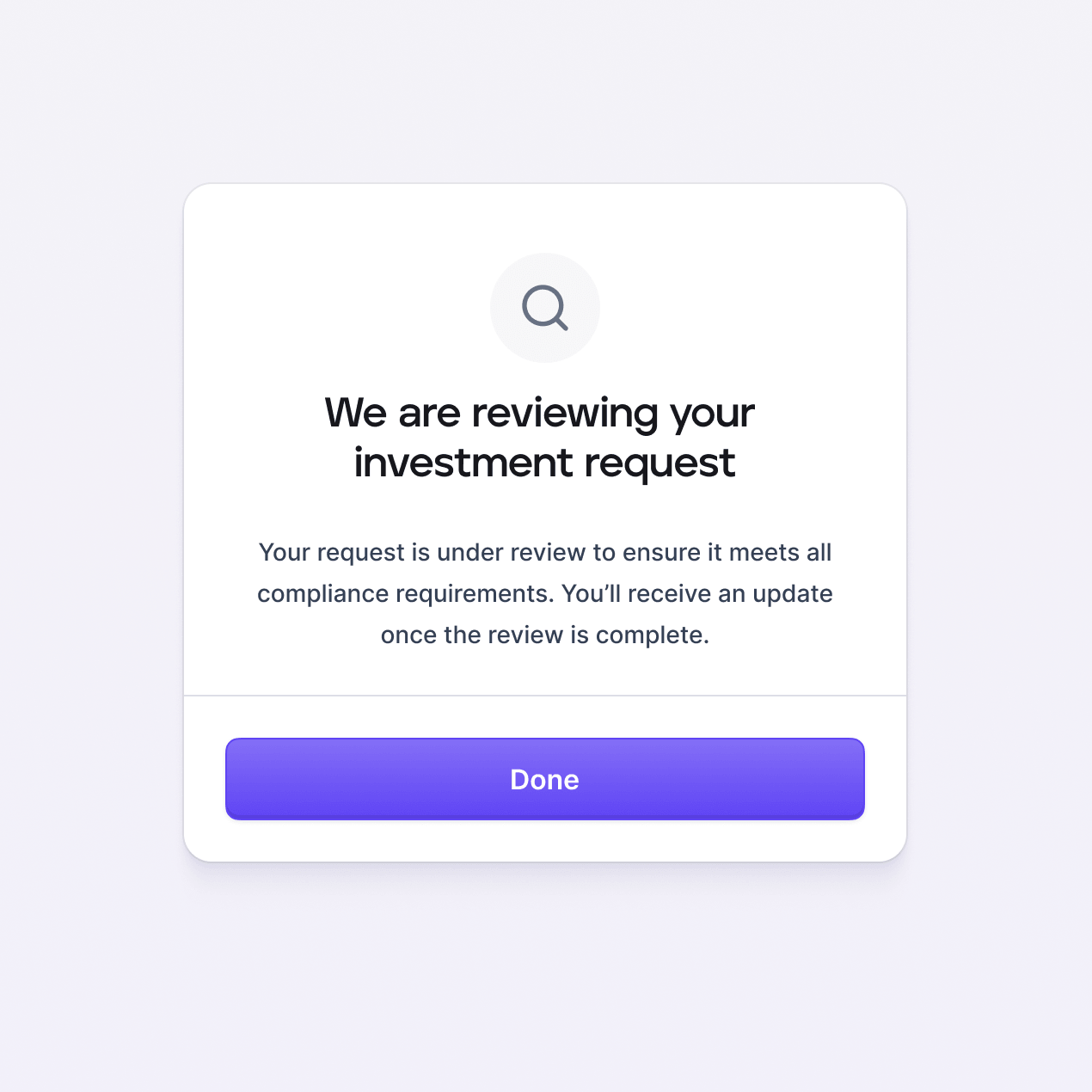
What we could fix was uncertainty. An investment stretched across weeks of application, KYC, fund-manager approval, settlement windows, and custody confirmations. For long stretches nothing visible happens while work continues off-chain, and to an investor that silence reads as failure.
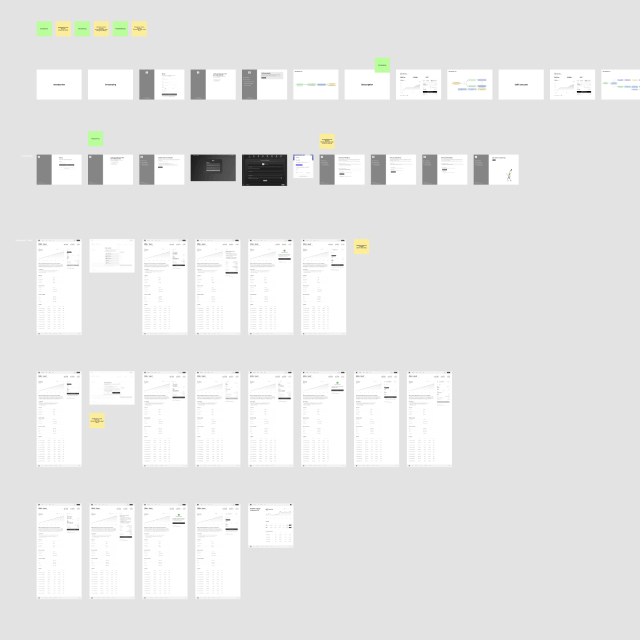
Before any screens, I mapped the investor journey end to end: what could be self-serve, what needed manual handling, and where the product had to say "you're waiting, and here's why." The UI organized the complexity it couldn't remove.
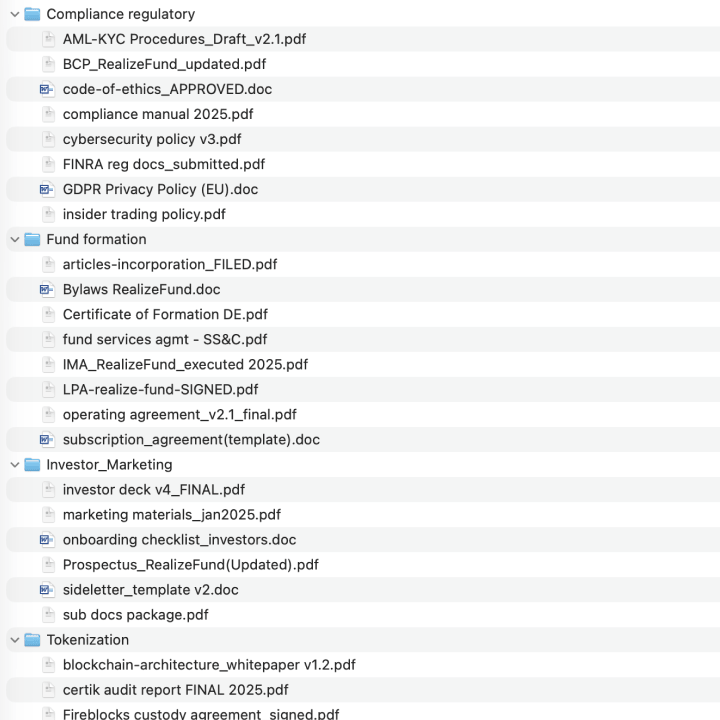
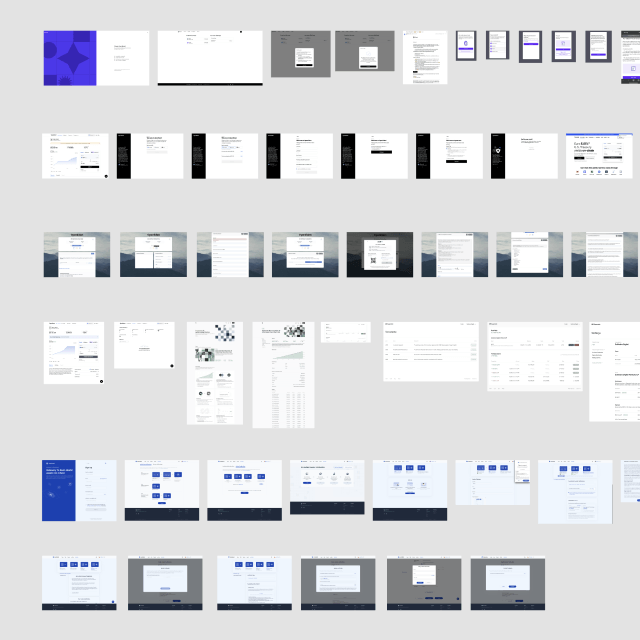
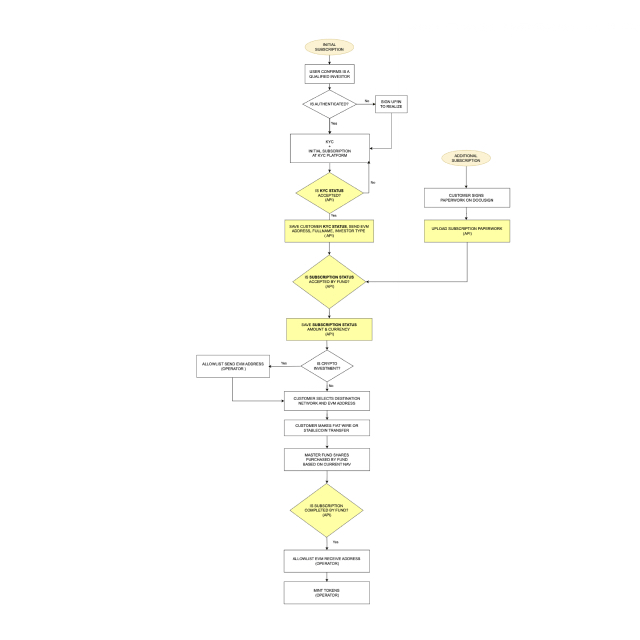
Designing clarity in a slow system
An investor only ever asks two questions:
- What is the exact status of my money?
- Do I need to do anything right now?
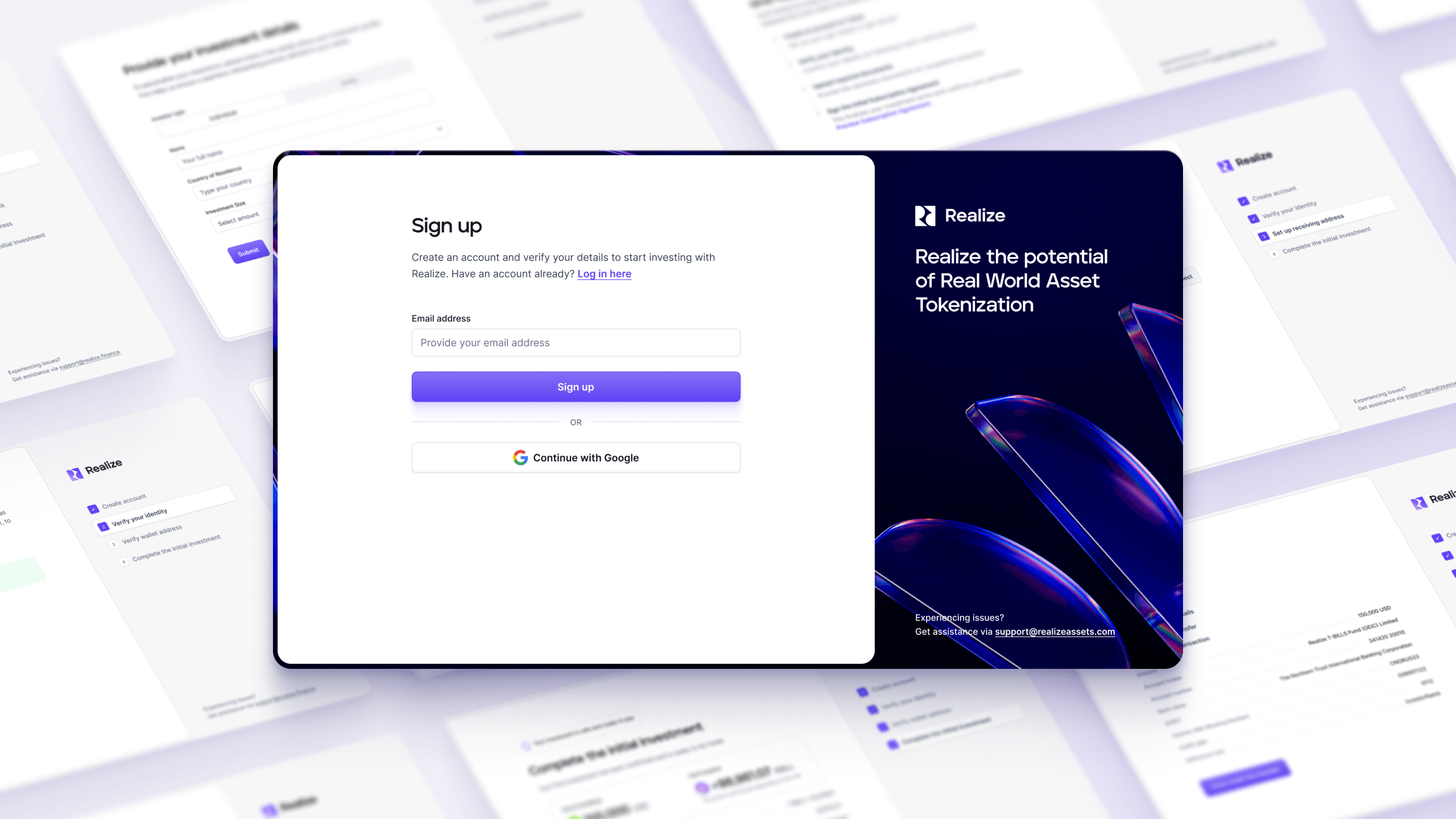
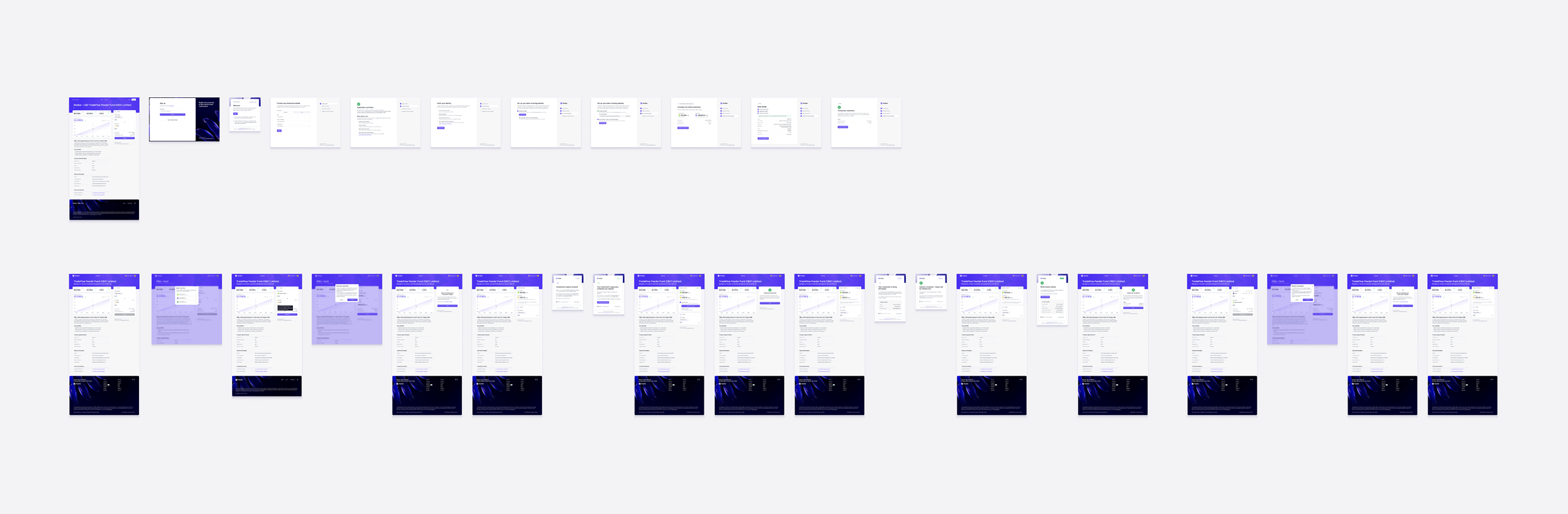
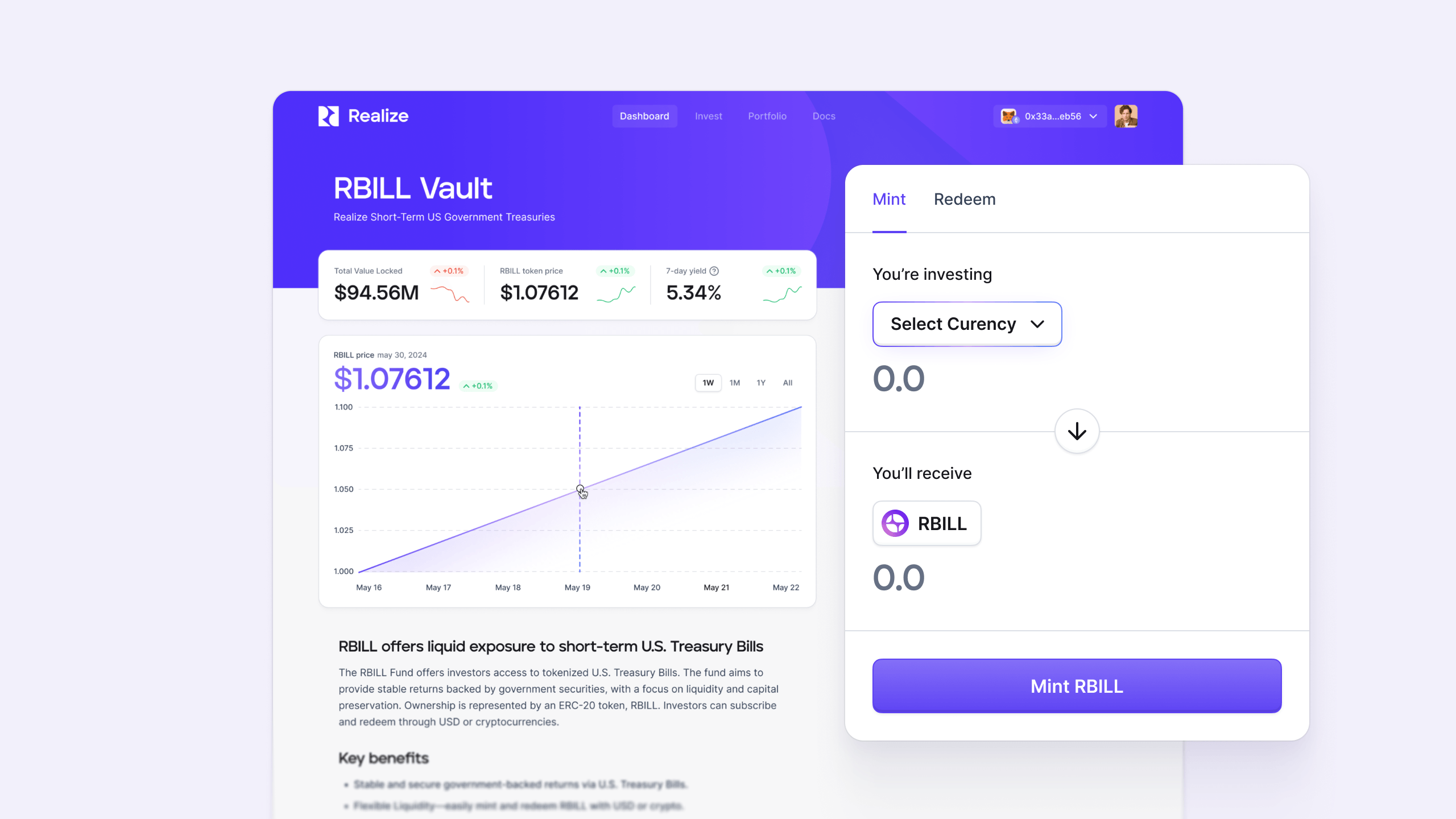
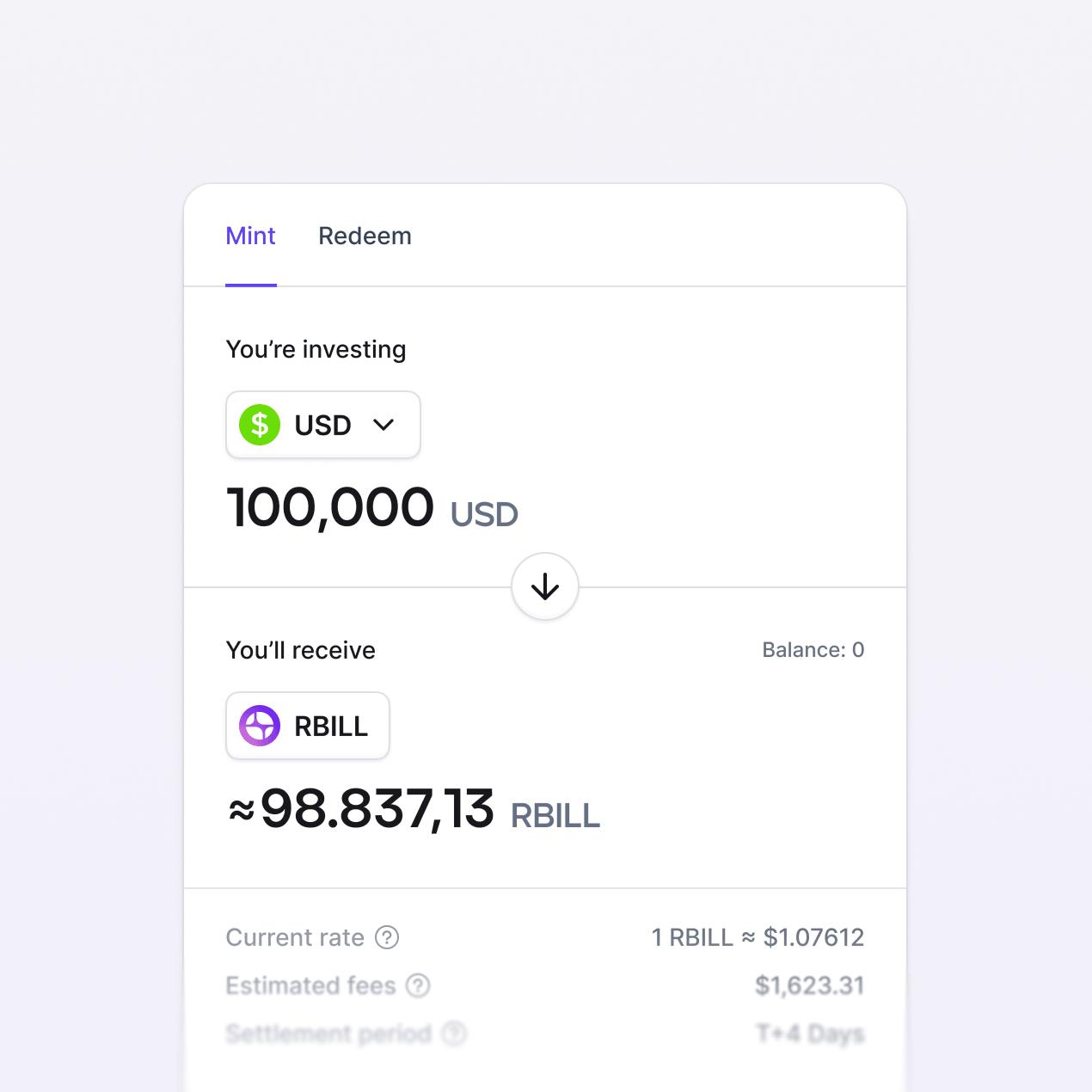
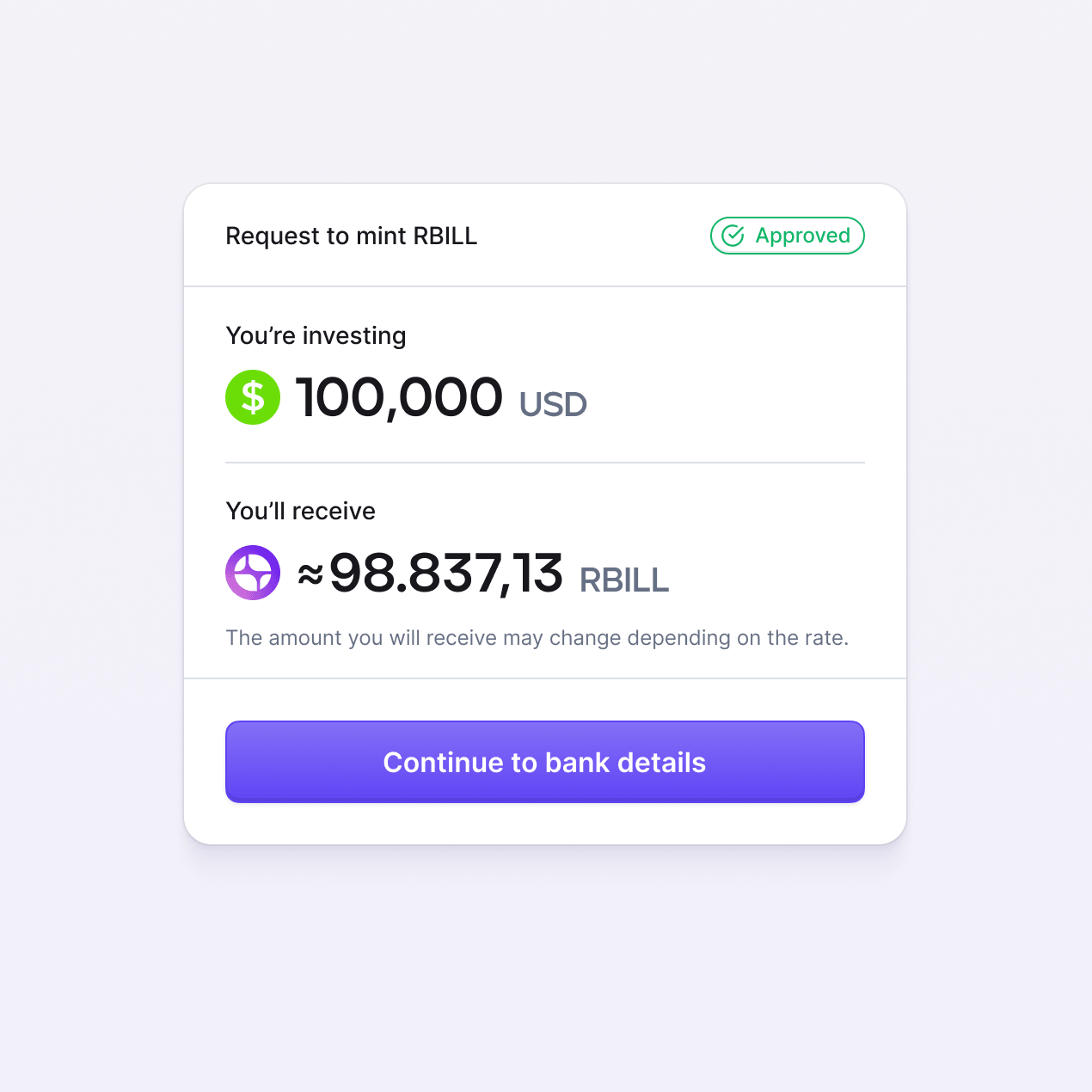
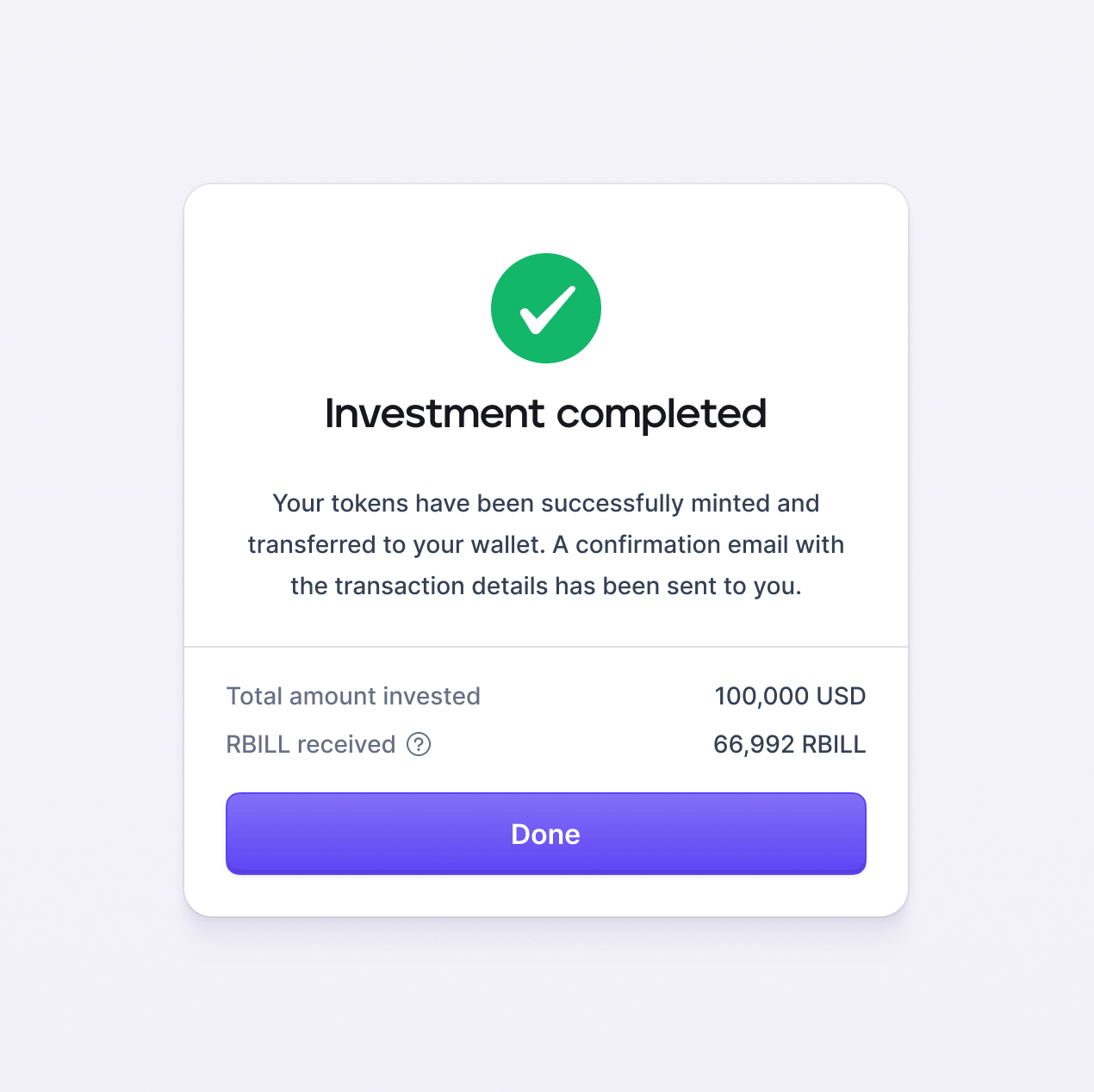
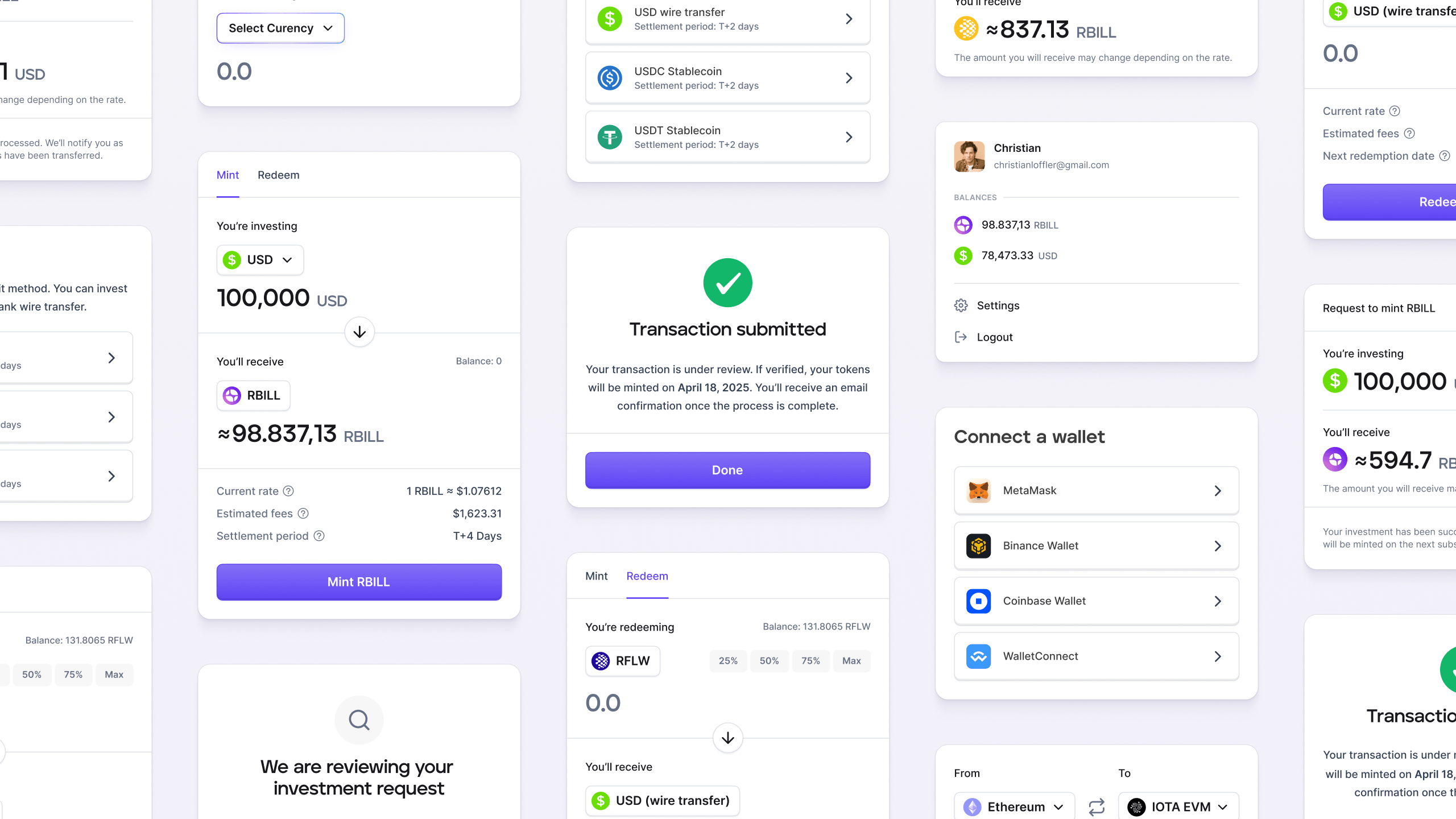
The whole product was built to answer them. The dashboard centered on state. Every application and investment showed where it stood, what was pending, and the next action when one existed. When nothing was needed, it said so.
Email carried the same system. Every message marked a real state change and told the investor what was happening off-screen.
The same architecture could hold different investment products on different timelines and keep the experience calm. In a regulated product, clarity is the value proposition.
Where it broke
The product worked. The structure was compliant, the flows held up, and the experience matched how the fund actually operated.
Go-to-market didn't. Fund setup dragged on dependencies outside the product team, and by the time operations were locked in, the RWA market was crowded. We were one more compliant T-Bills product. Then T-Bill yields fell, and demand fell with them.
The deeper miss was validation. We never tested demand with real investors before building, so we guessed at what people valued, what would block them, how we'd reach them, and what proof they'd need to trust us. Good design removes friction, but it doesn't create demand.
What I took forward
Validate demand before you polish the experience. If you don't know who you're serving and why they care, you're optimizing blind. Distribution is a product decision, not a marketing afterthought.
The project also sharpened how I design inside hard constraints. Some systems are slow and some processes are legally fixed. The job is to make them understandable and controlled.