


From 0 to ecosystem backbone
When IOTA Rebased launched, it had strong technology but no DeFi gravity. There was no dominant exchange, no liquidity hub, and no obvious place for capital to live.
Pools set out to become that hub. In its first week, it crossed $10M in TVL and onboarded more than 5,000 users. On a fresh L1, that level of traction signals trust.
My role: I owned product direction end to end. I defined the UX, designed the full UI, built the design system from scratch, and worked directly with stakeholders, developers, and designers to turn a bold identity into a real capital platform.
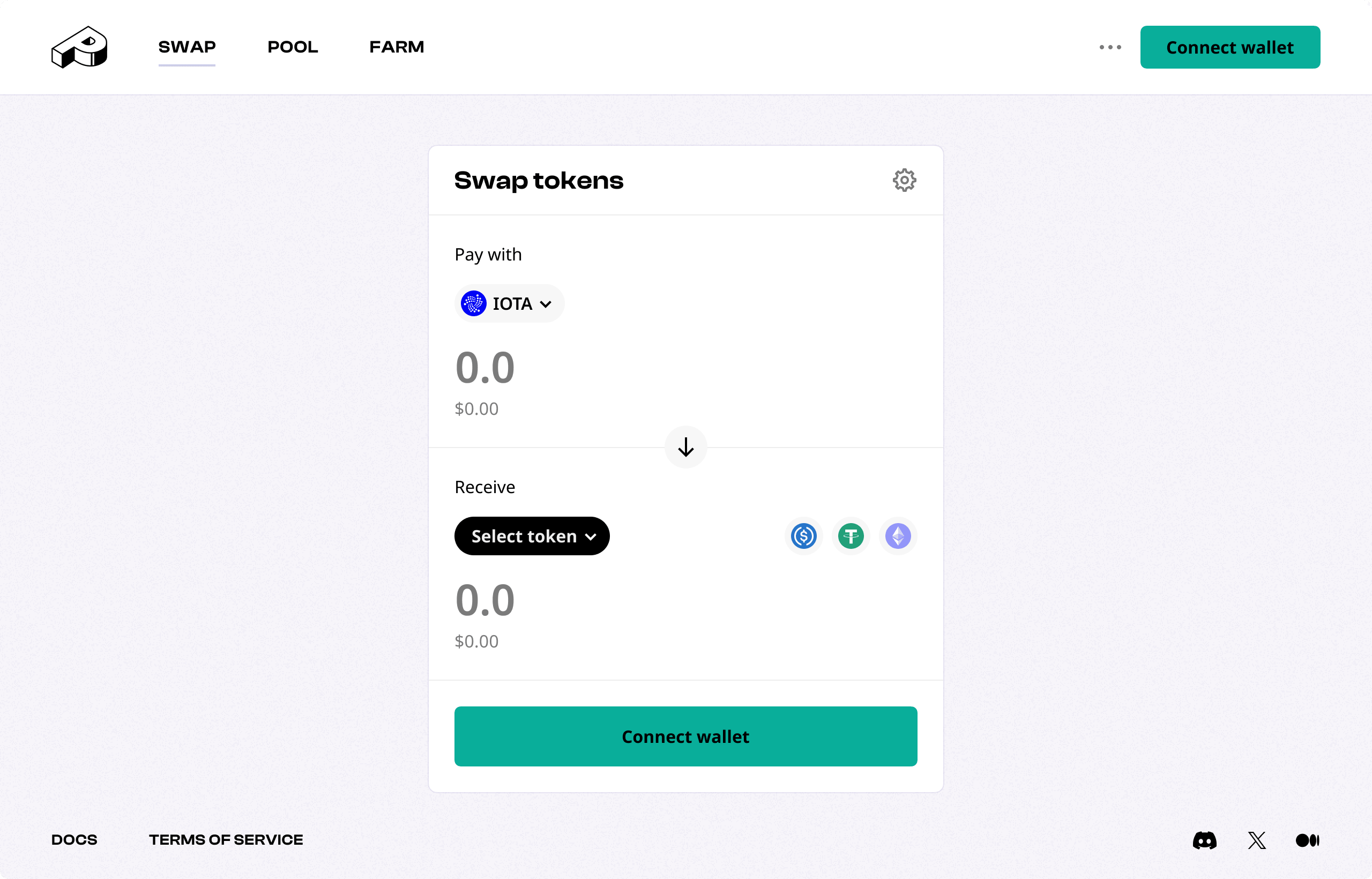
Balancing a bold brand with financial trust
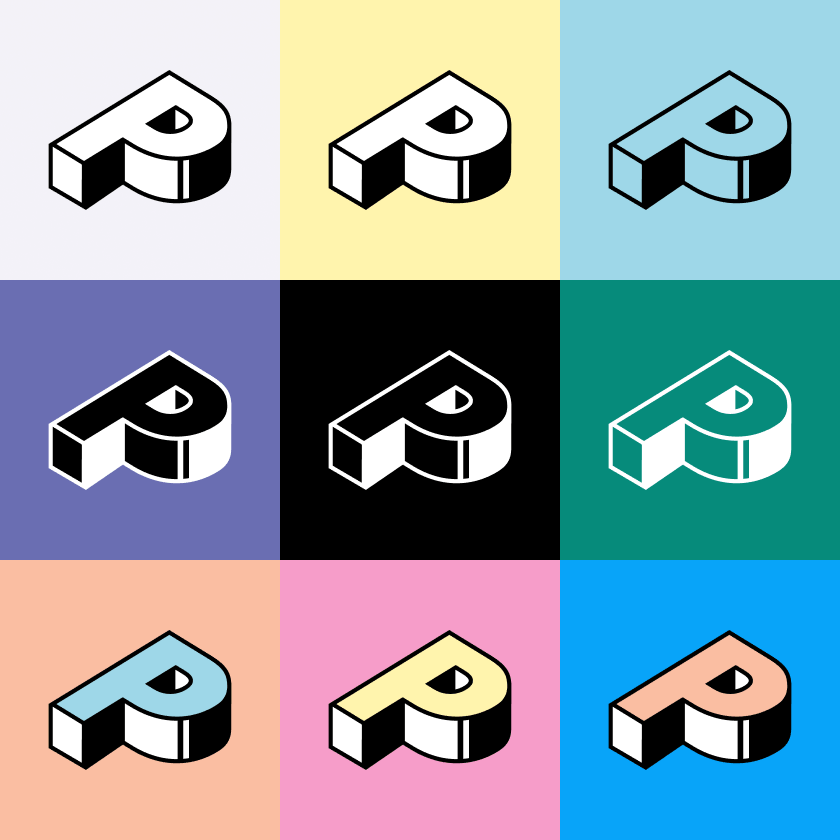
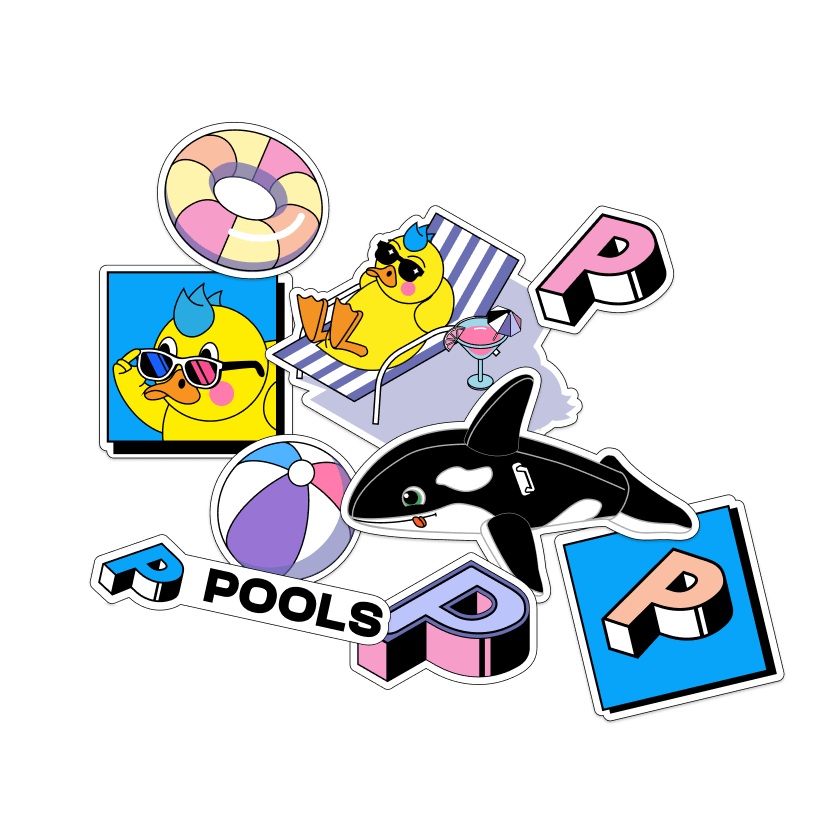
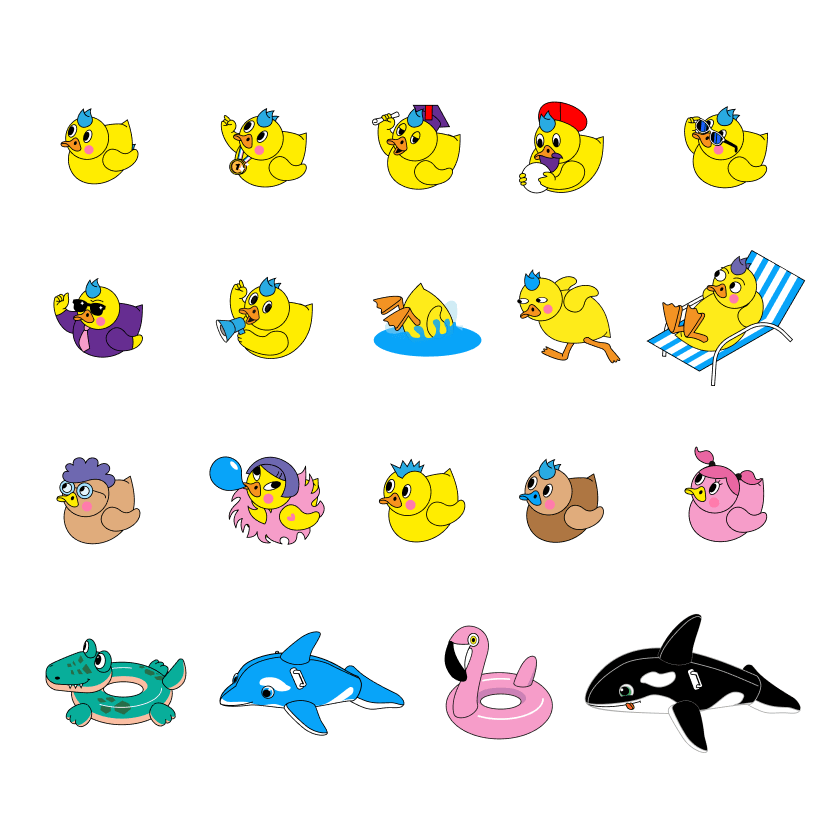
The brand came before the product. An external agency built a loud, quirky identity around a duck mascot and a neubrutalist aesthetic.
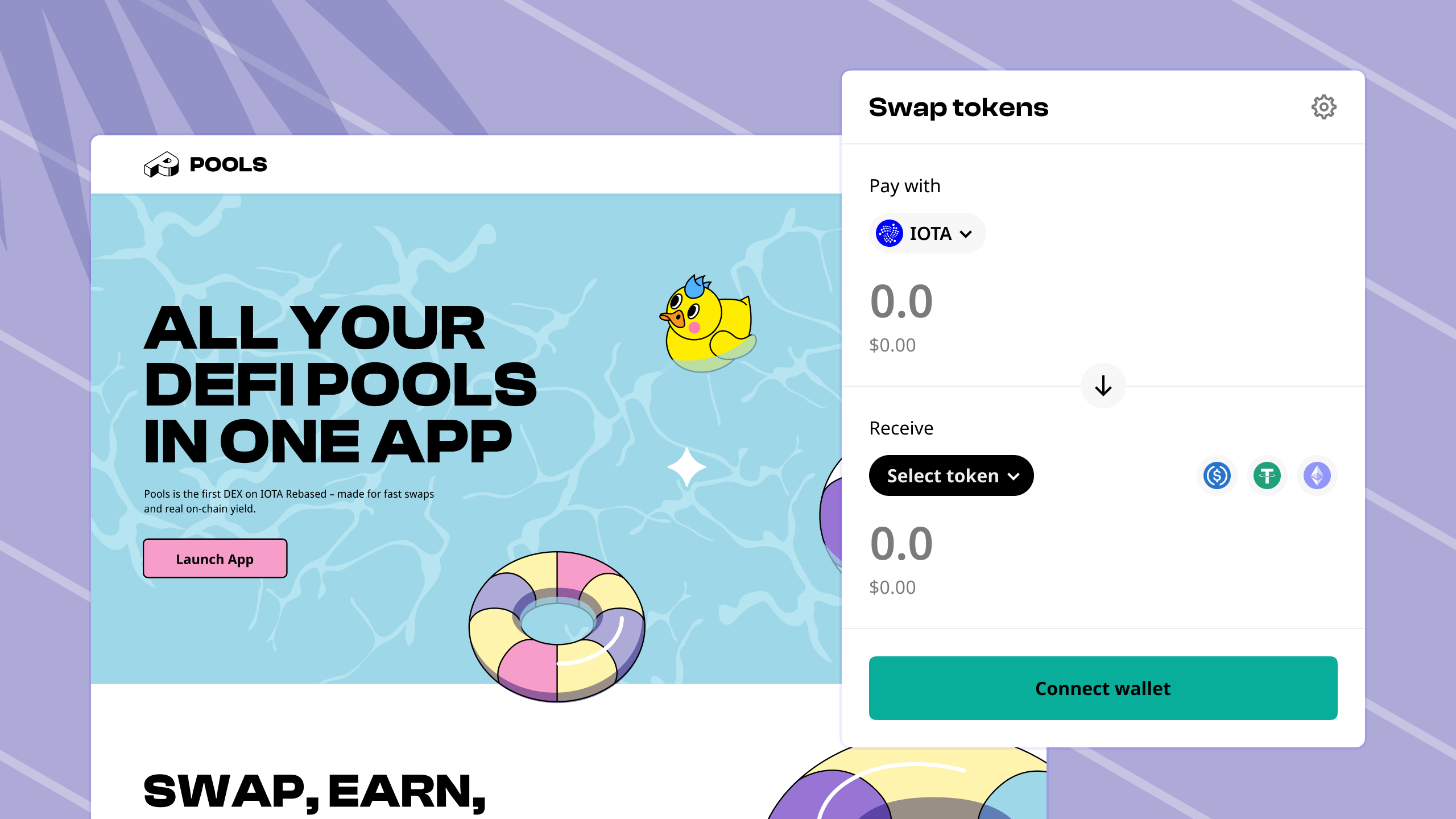
The early UI explorations were wild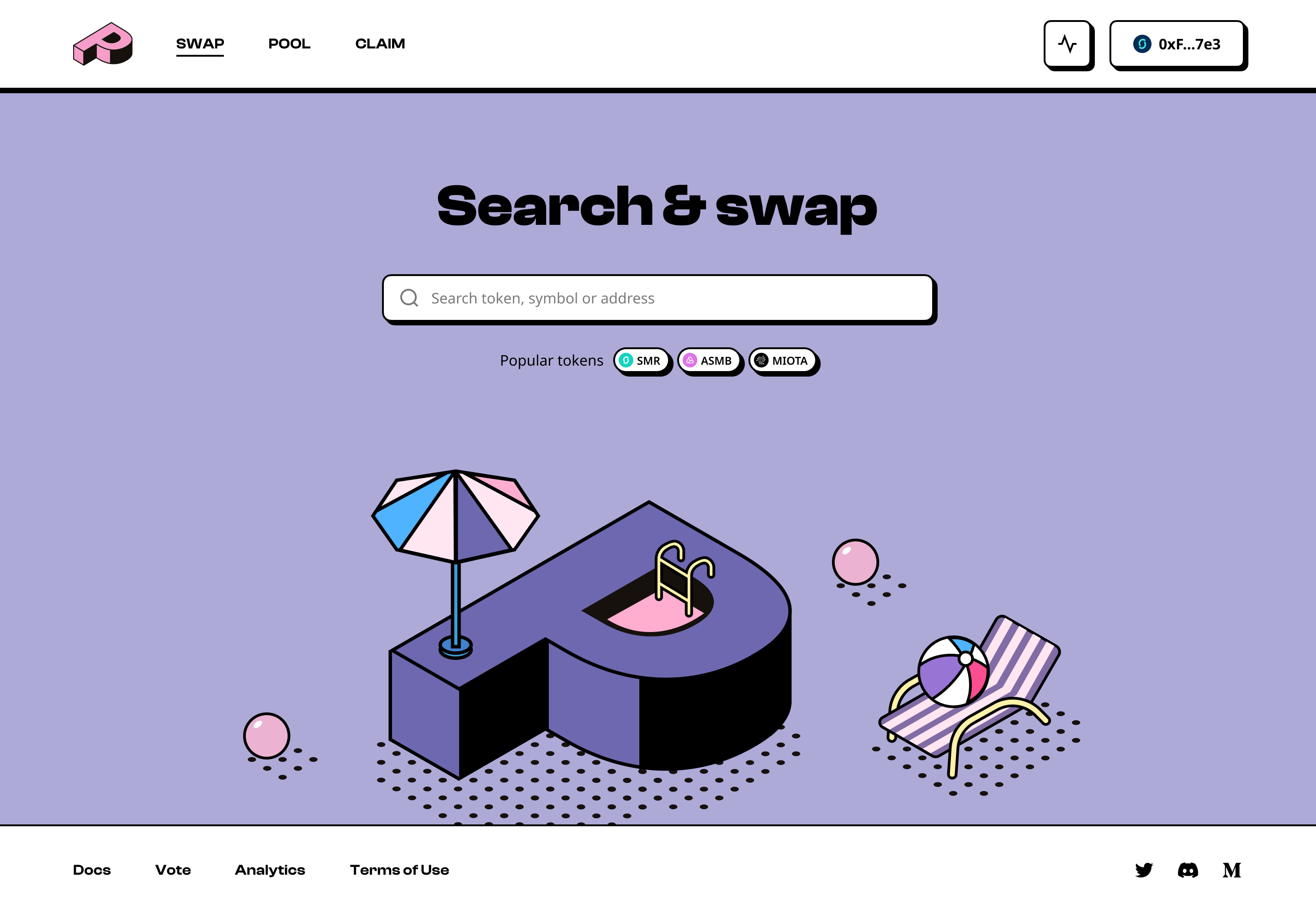 and pushed that brand straight into the product with heavy contrast and playful layouts. It was memorable, but handling real money changes the rules. People swapping tokens or providing liquidity want clarity, predictability, and control more than personality.
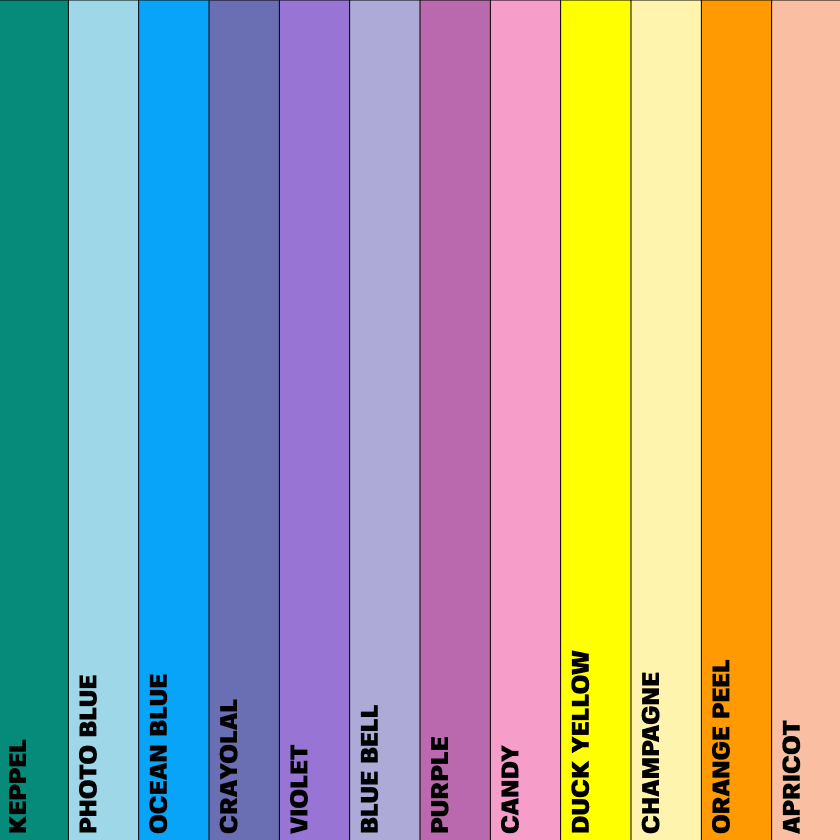
With visual designer Francisco Castagnola, I refined the brand and set boundaries for how it behaved inside the product. Marketing could be expressive, but the product had to feel stable.
We tightened hierarchy, cut visual noise in transactional states, standardized layouts, and made critical actions unmistakable. Character survived in small touches, micro-interactions, and easter eggs, but the foundation became calm and trustworthy.



Working with DeFi standards, not against them
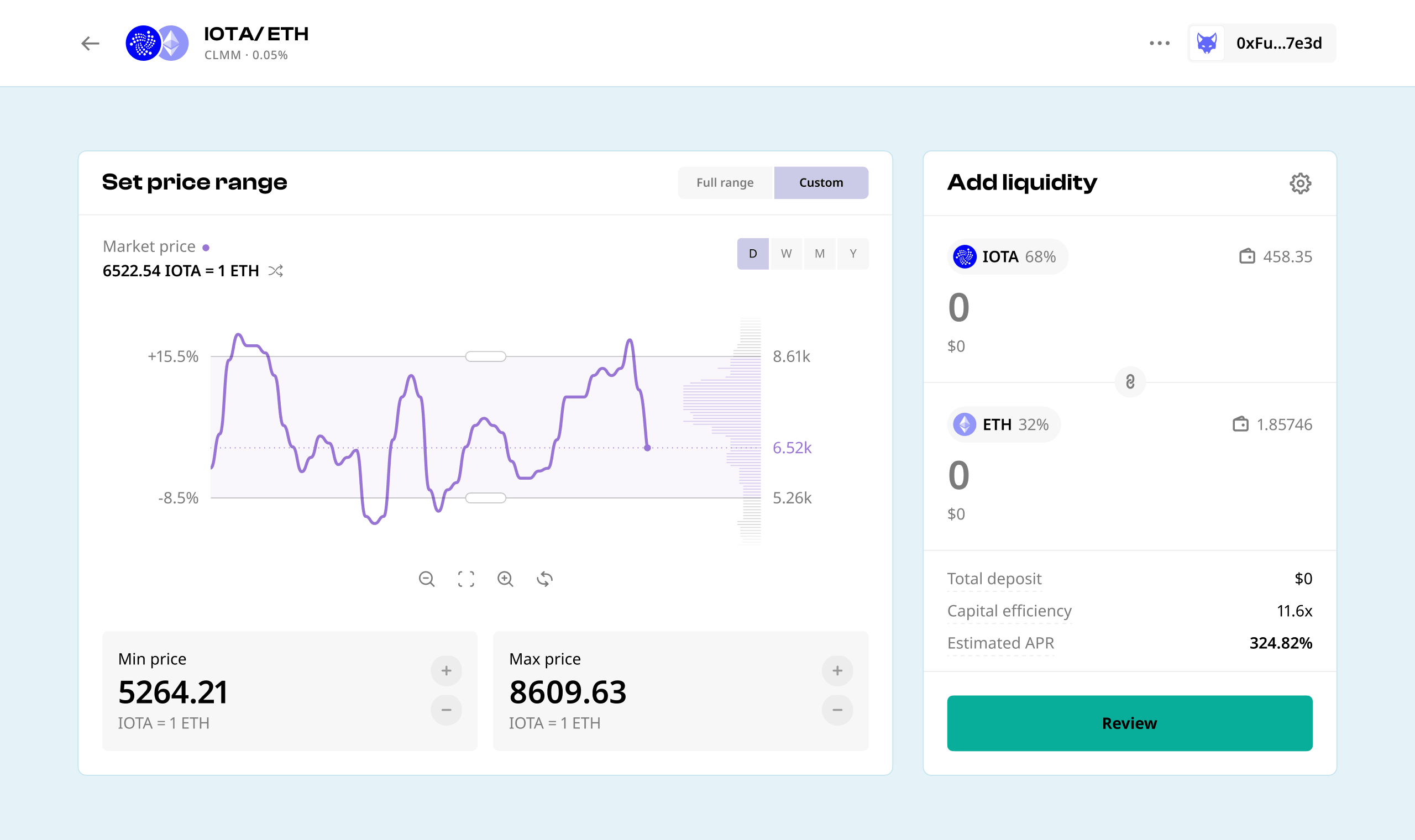
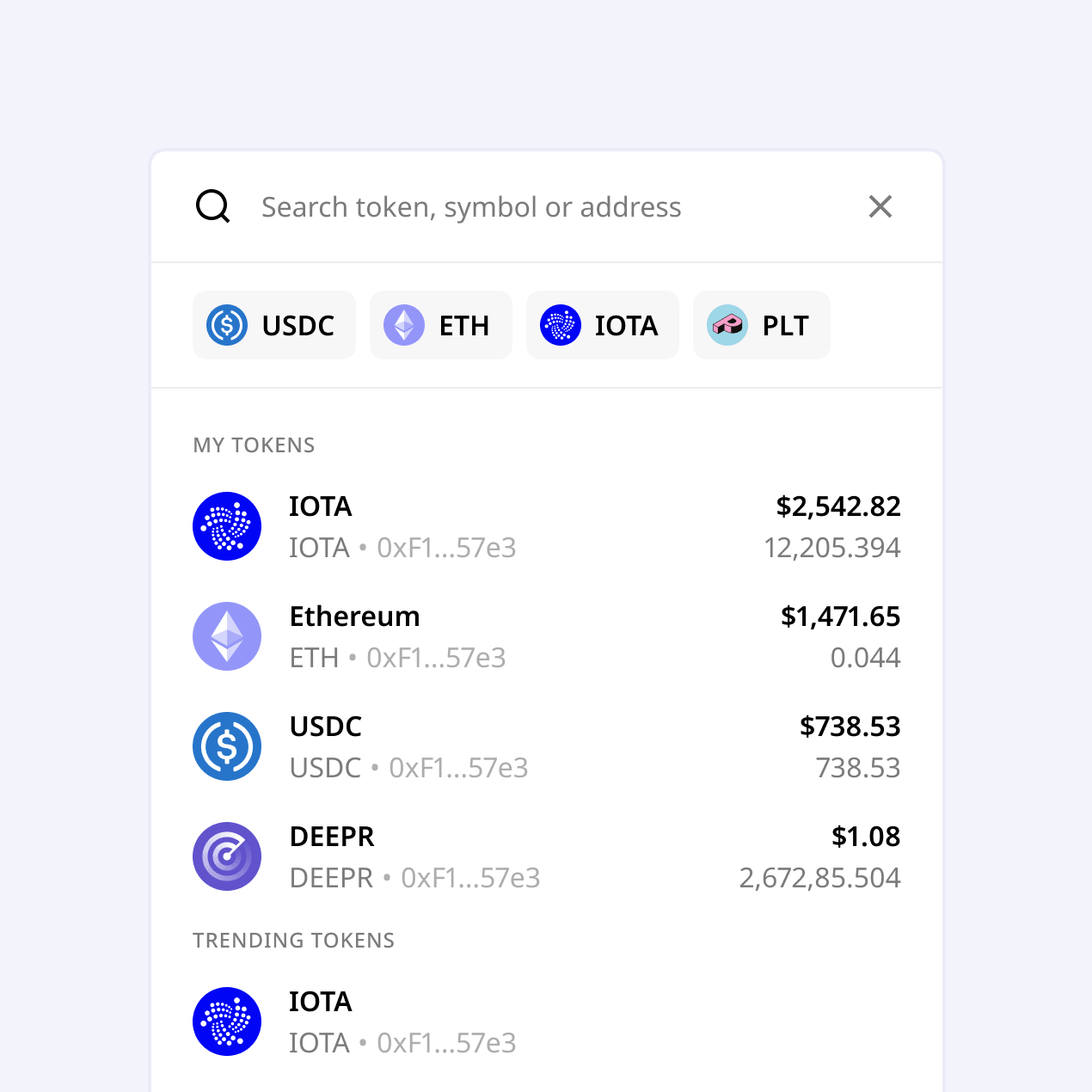
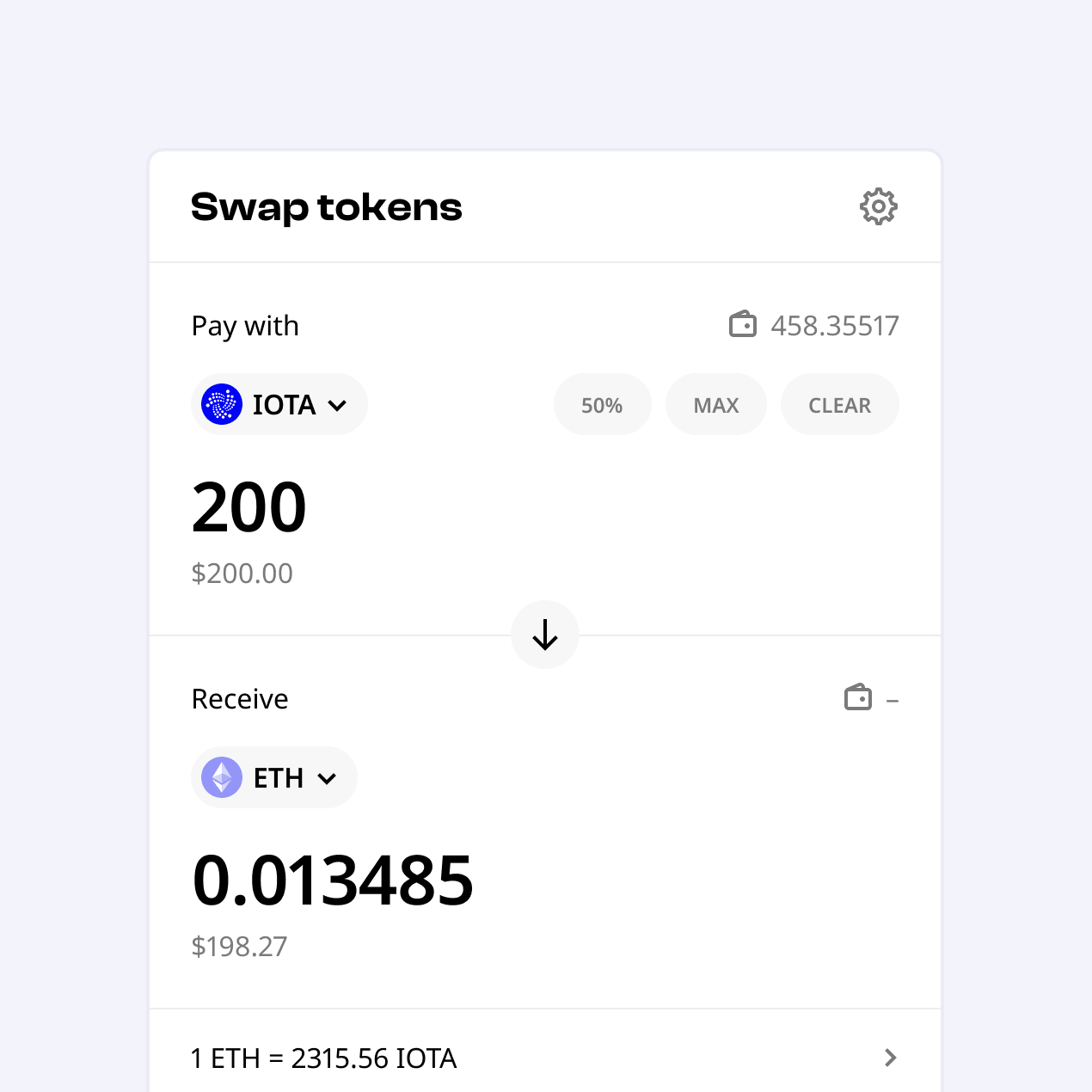
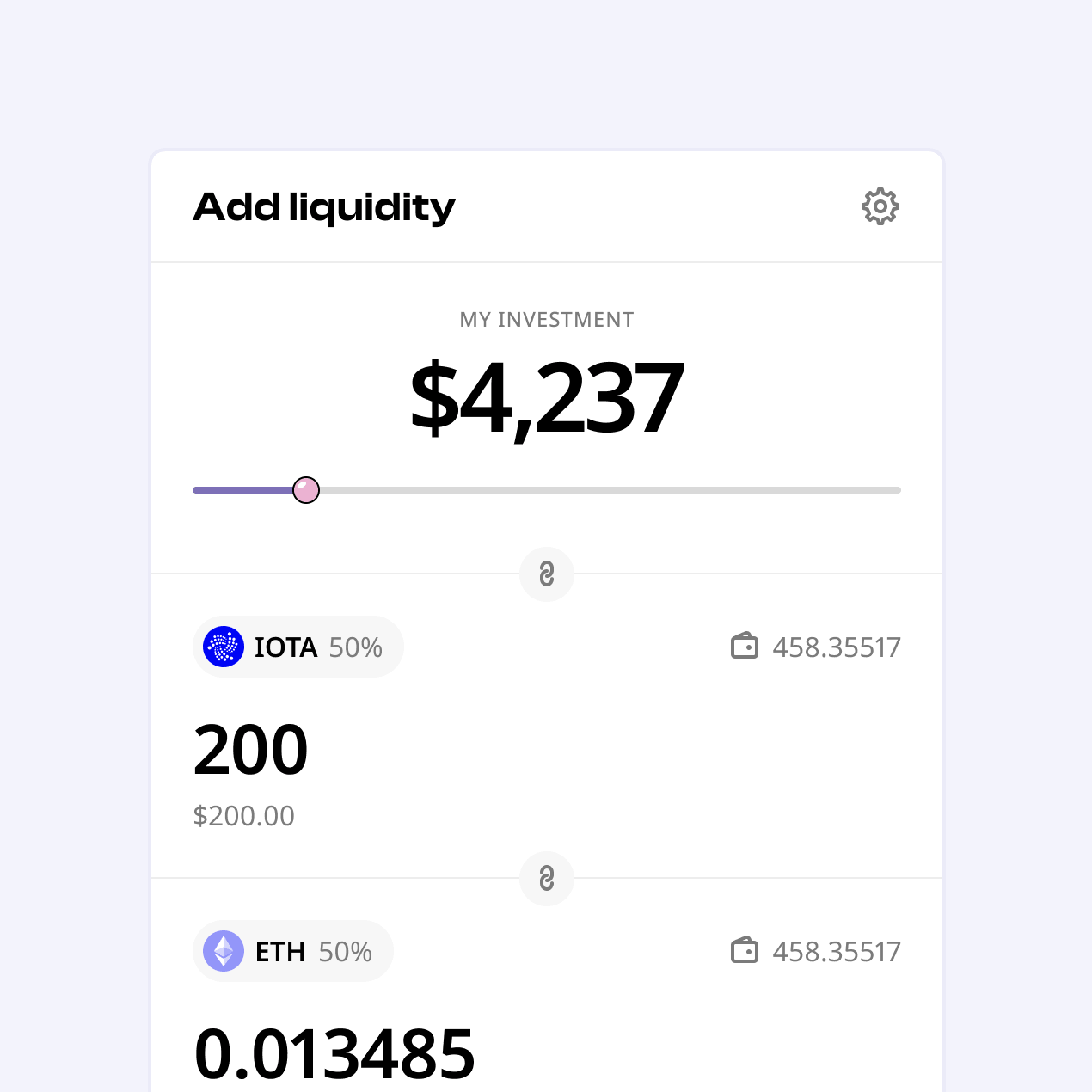
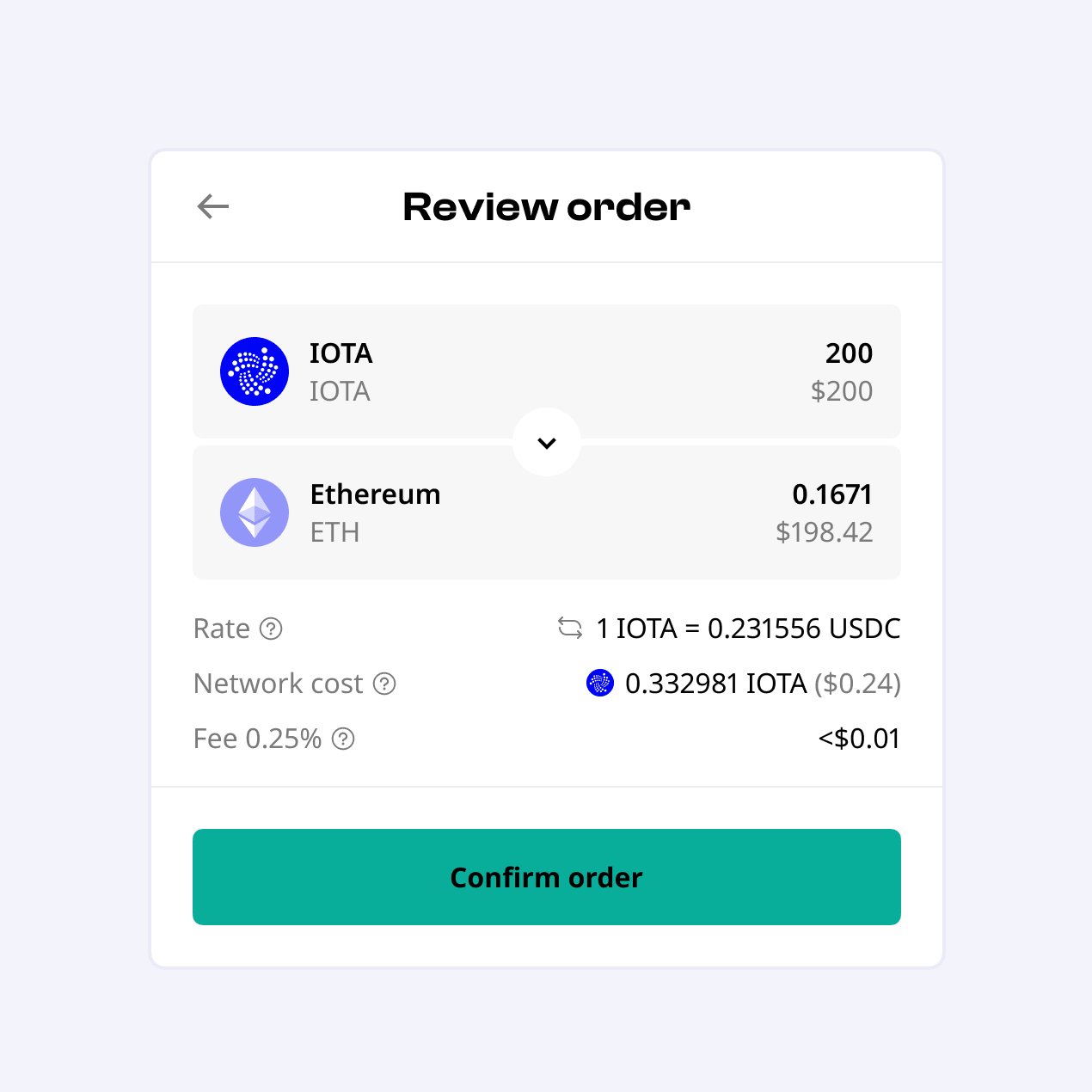
In DeFi, most products are forks at some level, and the core mechanics are battle-tested. The design question is where effort creates the most impact. We leaned on established patterns from leading DEXs: familiar structures reduce cognitive load, and predictable flows reduce hesitation. In a new ecosystem, that matters more than originality.
We differentiated on execution. Structured layouts made complex data easy to scan, states were always clear, and we treated the design system as infrastructure, not decoration.
A system built to flex
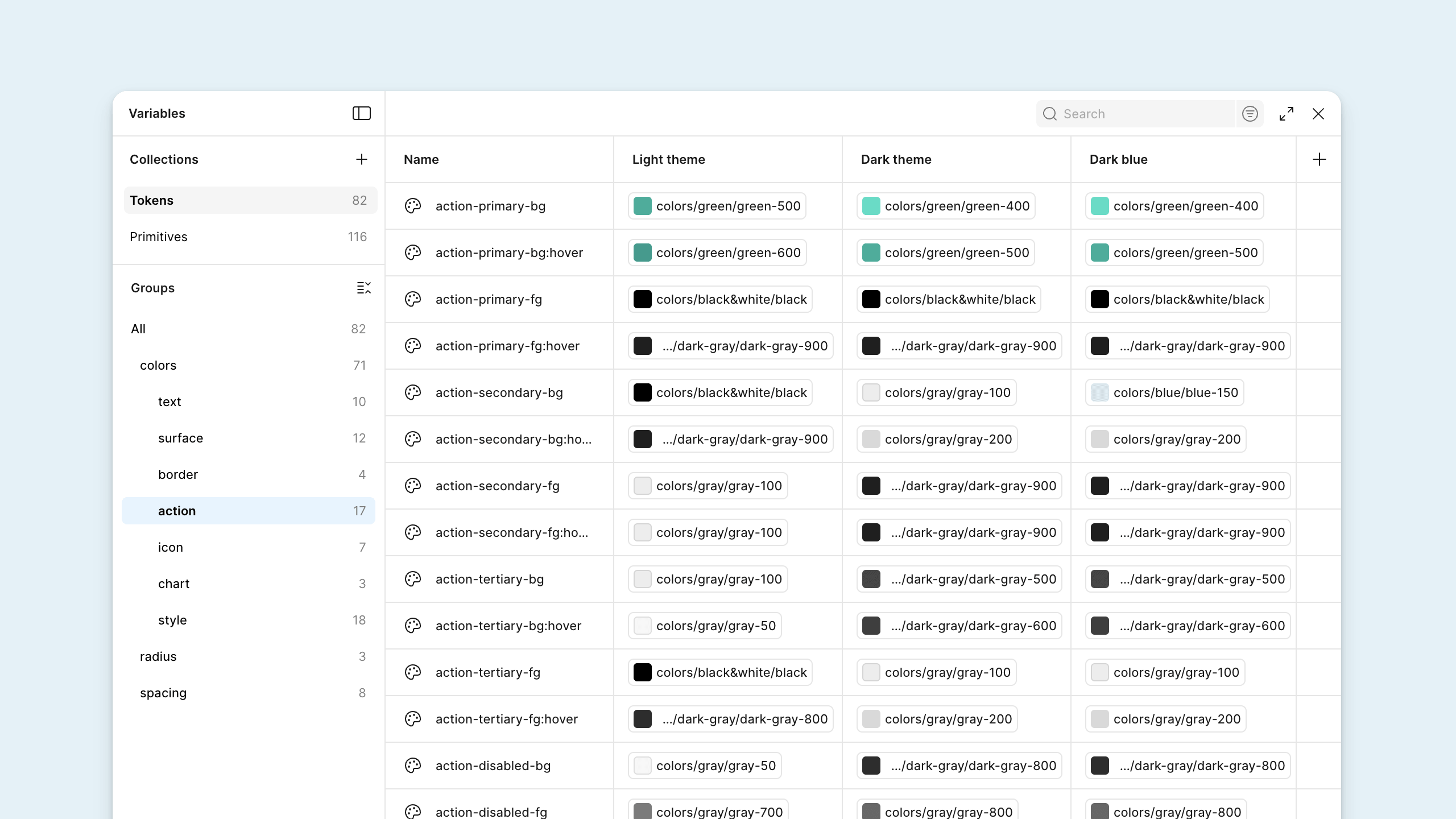
Pools needed to change its visual tone without breaking consistency. I built the design system in Figma on semantic variables: components read from tokens for color, type, and spacing, never from raw values. A theme is a set of variable values, not a redesign. Light, Dark, and Deep all run on the same components and the same rules.


Launch
IOTA Rebased was meant to reset the ecosystem, but expectations were low. Earlier upgrades had failed to spark real DeFi activity, so this launch had to show traction from the start.
Within the first week, Pools reached $10M in total value locked, onboarded more than 5,000 users, and sustained six-figure daily trading volume. Liquidity concentrated early, most new pools launched there first, and it became the default venue on the network.
Reflection
Pools went through pauses, reframing, and several visual iterations before it stabilized. The lesson was restraint: knowing when to follow standards, when to push, and when to step back. The product that came out of it gave a new network its liquidity backbone.